Aluminum die-casting post-processing process
Date: 2025-07-29 / Views: 334 / Category: What is Die Casting?

Beautiful appearance requires multiple carvings.
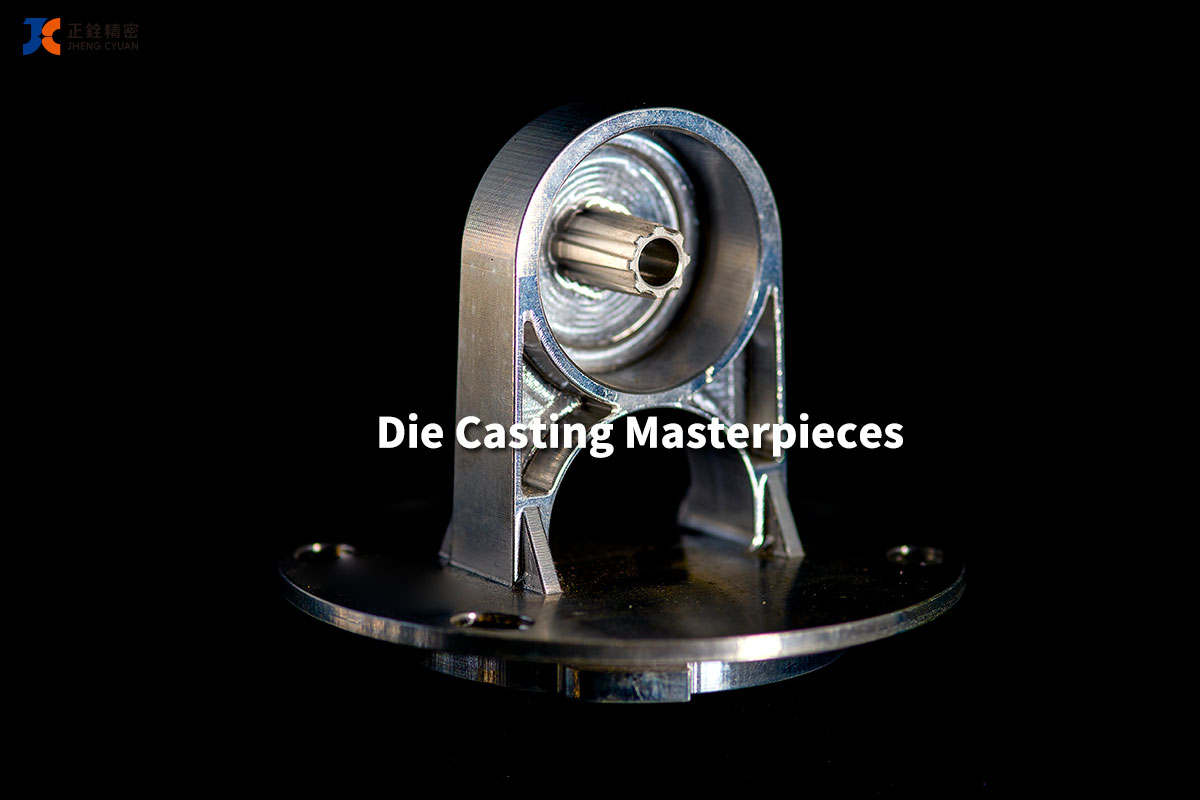
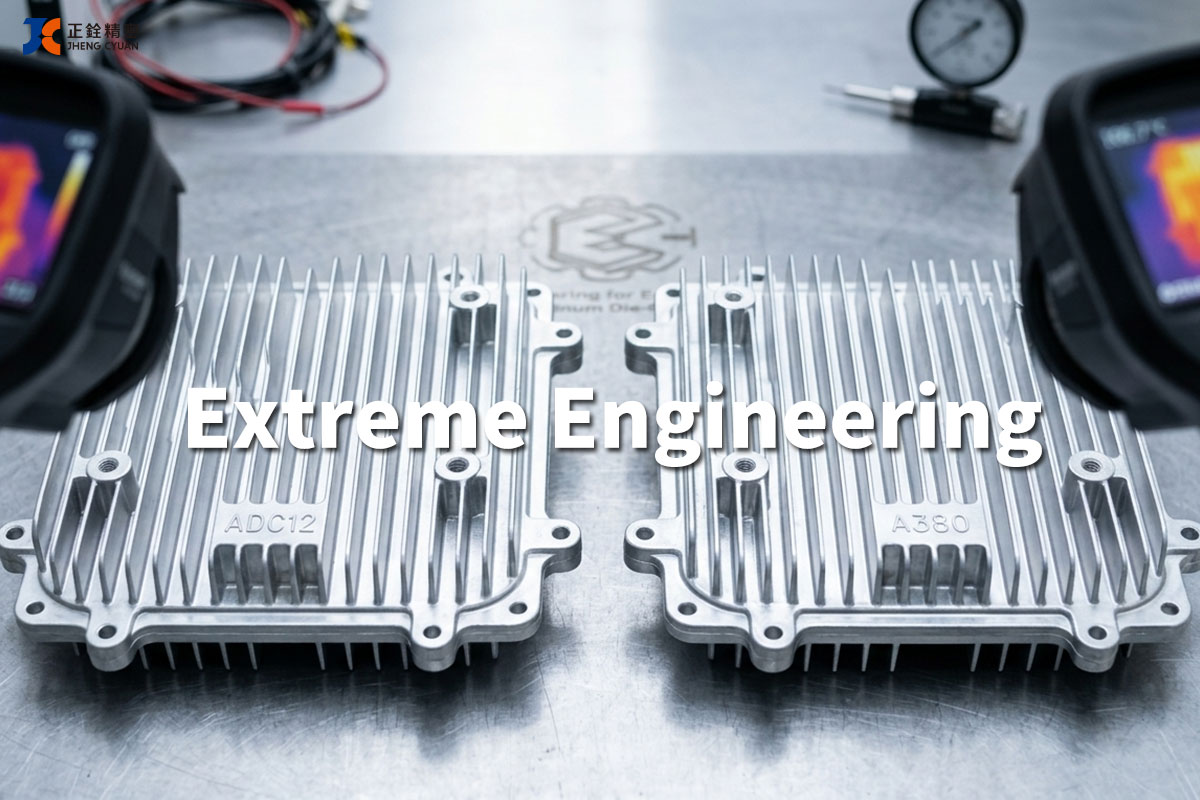
Die-casting parts are beautiful and exquisite finished products. The little-known aluminum die-casting post-processing refers to various finishing and surface treatments performed on aluminum die-casting parts after die-casting to improve product accuracy, functionality and appearance quality. The following is a description of the common aluminum die-casting post-processing process:
1. Burr removal (deburring/deburring)
Purpose: Remove excess metal at the parting line of the die after die-casting to improve appearance and safety.
Method: Manual trimming, vibration grinding, drum grinding, sandblasting or automatic deburring equipment.
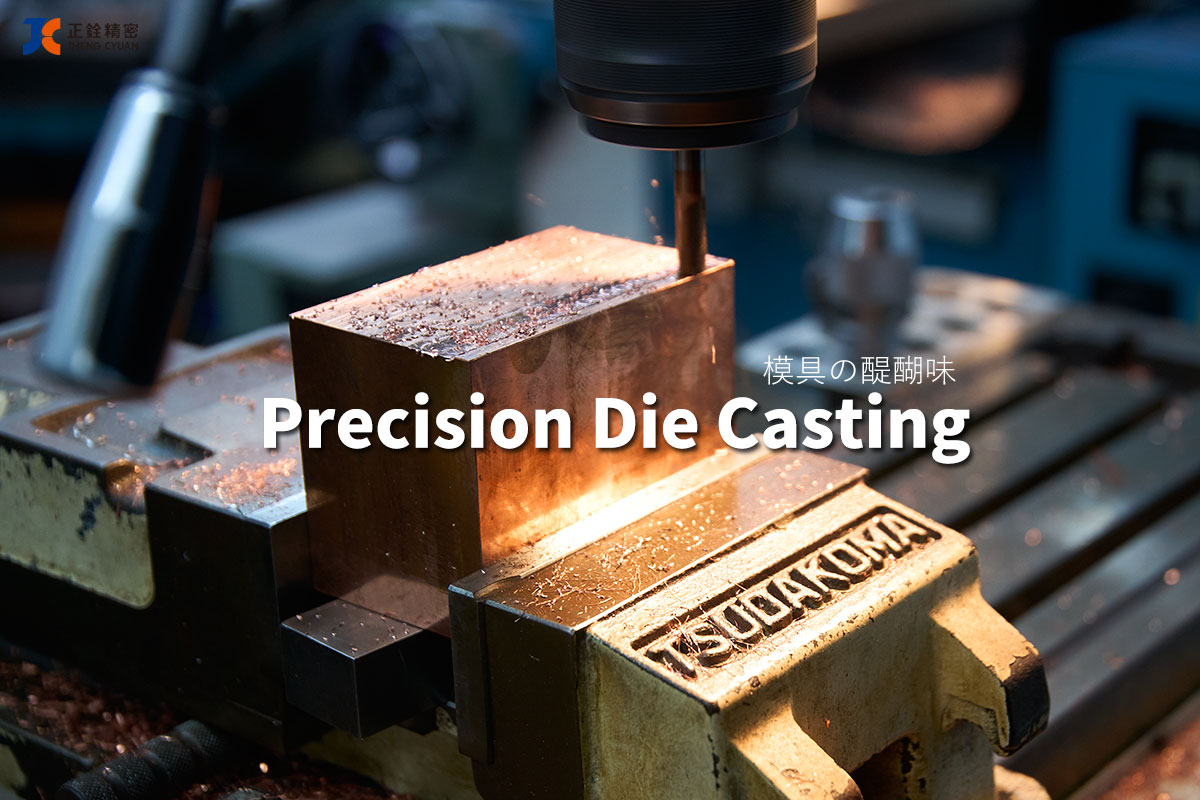
2. Machining (CNC/milling/drilling/tapping)
Purpose: Process key dimensions, tolerance holes, threads or assembly positions to meet precision requirements.
Common projects:
Milling plane, drilling
Tapping screws, turning inner and outer diameters
Processing positioning holes, mating surfaces
3. Cleaning and degreasing
Purpose: Remove the cutting fluid, oil stains and powder chips left during processing to ensure a clean surface.
Methods: ultrasonic cleaning, water washing, solvent cleaning, etc.
4. Heat treatment (depending on demand)
Purpose: Change the mechanical properties of aluminum alloys, such as strength, hardness or stress release.
Methods: aging treatment, annealing, etc.
5. Surface treatment
Purpose: Enhance corrosion resistance, improve appearance texture, and increase surface hardness.
Common treatment methods:
Anodizing
Sandblasting/bead sand treatment
Powder coating
Electroplating/chemical plating (depending on the material)
Film treatment (such as chemical treatment)
6. Assembly processing
Purpose: Assemble die castings and other components into complete finished products.
Methods: Pressing, screwing, riveting, welding, bonding, etc.
7. Inspection and testing
Purpose: Ensure that dimensional accuracy, functionality and quality meet specifications.
Projects:
Dimension measurement (caliper, 3D)
Surface defect inspection (visual, X-ray)
Air tightness test
Hardness, tension, torque test, etc.
Aluminum die castings may appear finished when demolded, but they still need to go through a series of post-processing procedures to ensure their functionality, accuracy and reliability before they can meet the final product standards, especially in the application fields of automobiles, electronics, communications and industrial components.
 Welcome to consult customized quotation