Extreme Engineering:Why Aluminum Die-Casting Wins in Heat
Date: 2026-03-27 / Views: 175 / Category: What is Die Casting?
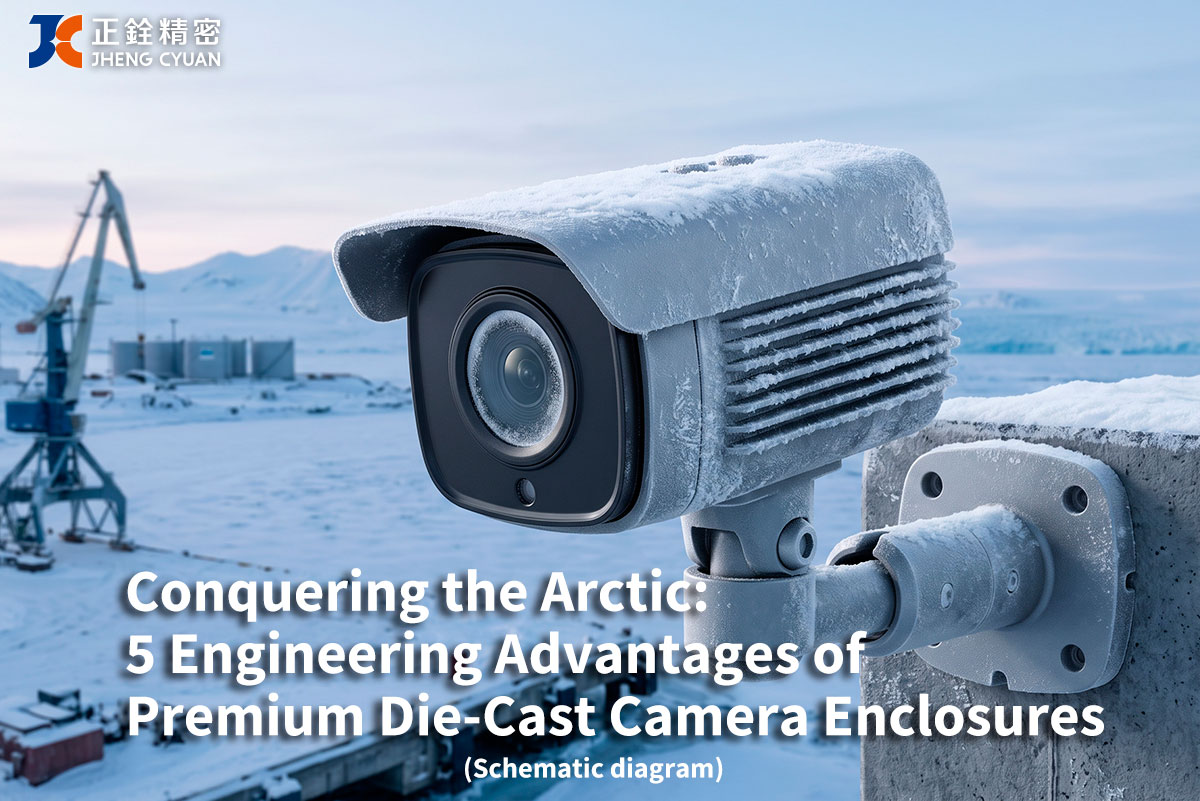
From the humid yacht basins of Miami to the scorching streets of Brazil, outdoor telecommunication enclosures face a brutal reality: relentless heat and intense UV exposure.
Our latest aluminum die-casting solutions are engineered to withstand operating temperatures up to 200°C without thermal deformation. Key advantages include:
-
Superior Heat Dissipation: High thermal conductivity ensures rapid cooling of sensitive internal electronics, preventing system throttling.
-
Dimensional Stability: Achieves zero warping during high-thermal cycles, maintaining the integrity of waterproof seals (IP67/IP68).
-
Corrosion Resistance: Optimized surface treatments and coatings designed specifically for coastal salt spray and high-humidity environments.
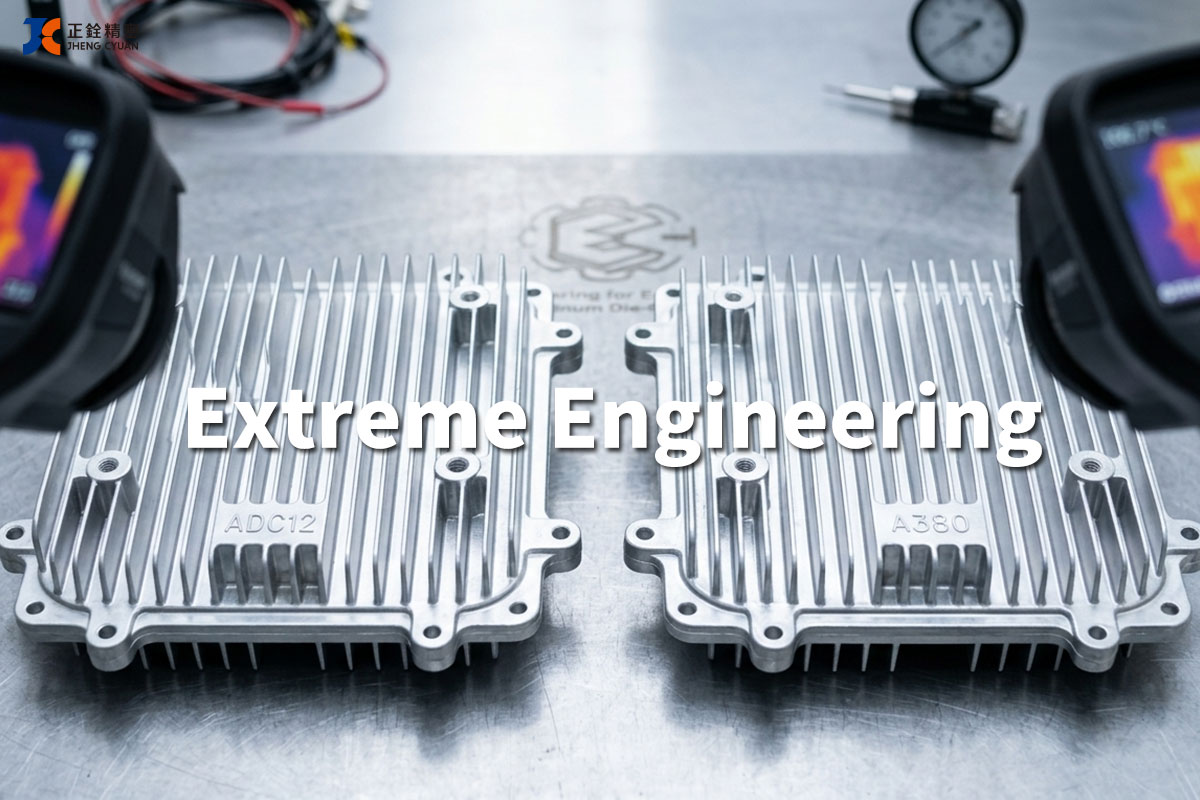
Core Technical Comparison: ADC12 vs. A380
When addressing heat resistance and structural stability, the following data highlights the performance differences between the two most common industry alloys:
|
Property
|
ADC12 (Industry Standard)
|
A380 (US Standard)
|
Impact on Performance
|
|
Thermal Conductivity
|
~96 W/m·K
|
~96-100 W/m·K
|
Comparable cooling efficiency for heat sink applications.
|
|
High-Temp Strength
|
Stable
|
Slightly Higher
|
A380 offers superior structural integrity under extreme thermal loads.
|
|
Fluidity (Castability)
|
Excellent
|
Good
|
ADC12 is ideal for highly complex, thin-walled enclosure designs.
|
|
Resistance to Creep
|
High
|
High
|
Both alloys significantly outperform engineering plastics (ABS/PC) in hot climates.
|
 Welcome to consult customized quotation